
How to set up a simple daily routine system
Short answer
A simple daily routine system has five parts:
- a short morning routine tied to something you already do,
- a one-minute gratitude note,
- a few minutes of meditation or prayer,
- one written goal with a next step, and
- reminders for the habits you tend to forget, such as exercise and reading.
Start with two or three of these, do them in the same order every day, and track them in one place: paper, a free app, or an all-in-one app. Expect weeks to months, not days, before it feels automatic. In one well-known study, habits took about 66 days on average.

What goes into a daily routine system?
A daily routine system is a small set of repeatable steps plus a way to remember and track them. These are the five pieces most people ask about. Each one has its own guide:
- Morning routine
A short, fixed order of steps that starts your day. Habit research favours small steps tied to a cue.
- Gratitude and meditation
A quick written gratitude note and a few minutes of quiet. Both have published research behind them, with limits.
- Goals and vision boards
Specific goals and a plan for obstacles have stronger evidence than a vision board alone.
- Exercise and reading reminders
Reminders tied to a time or routine, aimed at public-health activity guidelines.
How do I start a routine without overwhelming myself?
Start smaller than feels useful. Pick two or three steps you could still do on a bad day, such as writing one line of gratitude, two minutes of quiet breathing, and reading your one goal. Attach them to something you already do every morning, like finishing your first coffee, and do them in the same order each time.
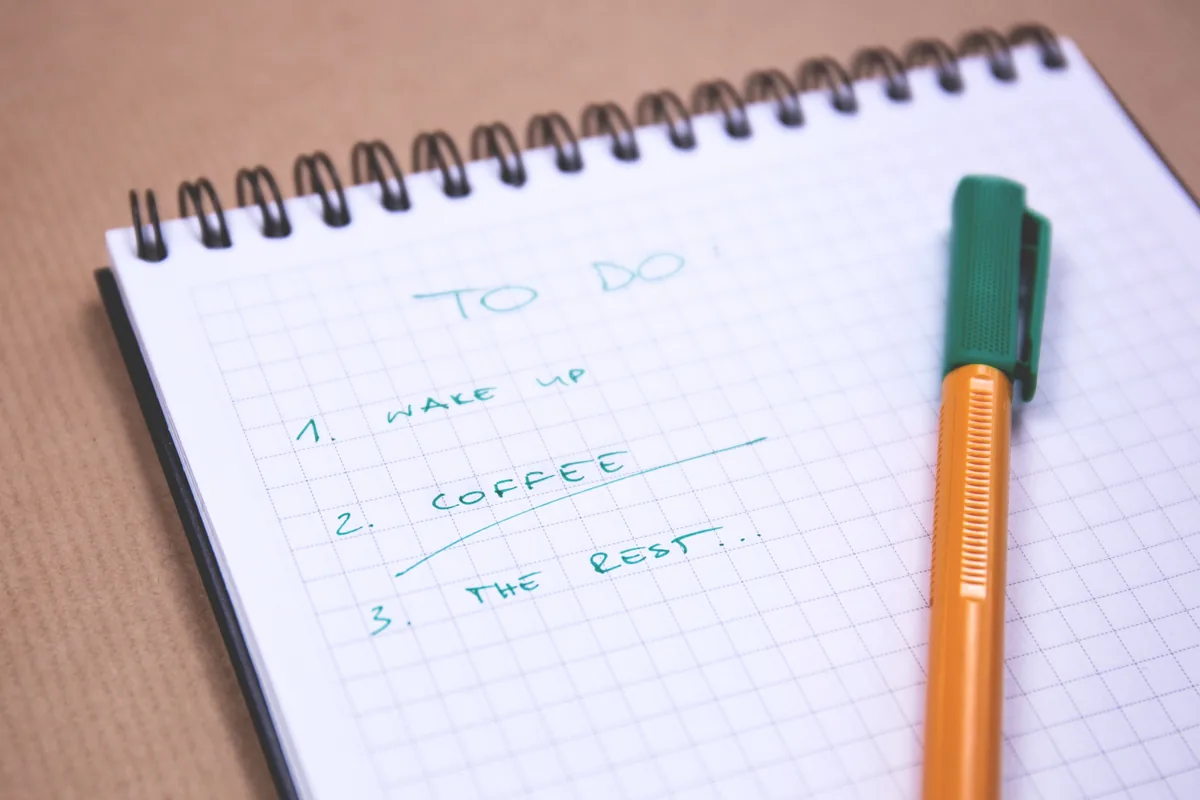
This matches what habit researchers describe. In a study led by Phillippa Lally at University College London, participants linked a new daily behaviour to a cue in their day, and repetition in that same context is what made it more automatic (BPS Research Digest summary). Add a new step only once the first ones feel easy.
Should I use paper, free apps, or one all-in-one app?
Any of the three can work. The best tool is the one you will open every day.
- Paper: a notebook and a pen cost almost nothing and have no notifications to ignore. The downside is that there are no reminders and no streak view.
- Free apps: a free habit tracker, your phone's reminders, and a free meditation app can cover everything. The downside is juggling several apps. See the comparison for named options.
- All-in-one app: one place for the routine, journal, goals, and reminders. The downside is a monthly cost, and you depend on one company.
How long until a routine feels automatic?
Longer than the popular "21 days." In Lally and colleagues' 2010 study in the European Journal of Social Psychology, the average time to reach peak automaticity was 66 days, with a very wide range of 18 to 254 days depending on the person and the behaviour (study; BPS summary). Missing a single day did not meaningfully set people back. So if you skip a morning, just carry on the next day.
What does a simple 15-minute morning routine look like?
Here is one example, not a prescription. Swap any step for what matters to you.
- Gratitude (2 min): write down one or two specific things from yesterday.
- Meditation or prayer (5 min): sit quietly, follow your breath, or pray.
- Goal check (3 min): reread your one goal and write today's next step.
- Move (5 min): stretch or walk, and set a reminder for a longer session later.
Tick each step off in whatever tracker you use. Then set one reminder for reading in the evening (how to set reminders you'll follow).
Where should I go next?
- Building the habit itself: How to build a morning routine that sticks
- Choosing tools: Let's Goal vs free alternatives
- Who writes this site, how it is funded, and how it handles privacy: About, Affiliate disclosure, and Privacy policy